The Real Taste of Tampa Ain’t What You Think
Tampa’s Most Overlooked Signature Dish
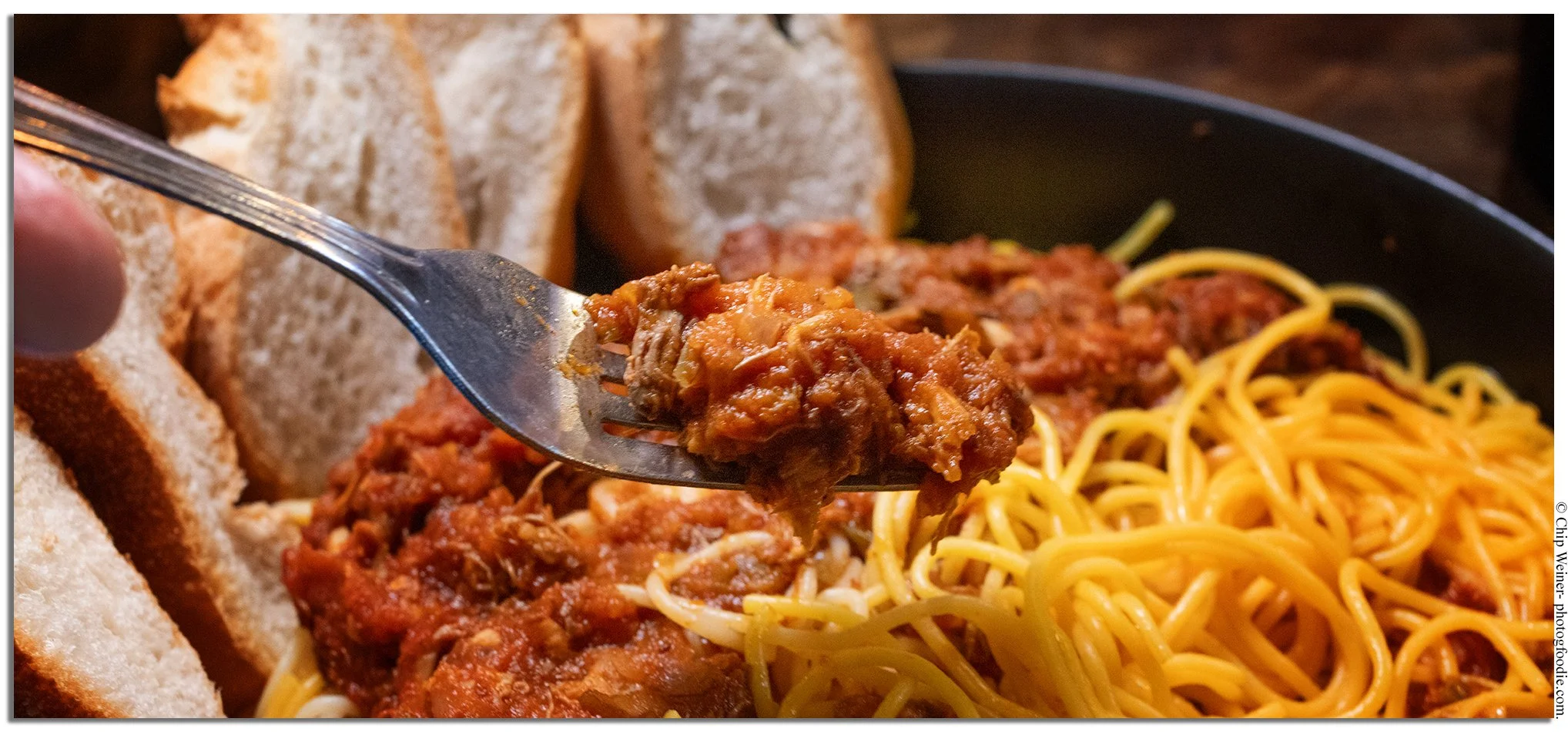
A forkful of crab chilau—blue crab, thin red sauce, and just enough heat to matter
If they ever ask me to name the national dish of Tampa, it won’t be the Cuban sandwich or even deviled crab. While the Cuban is the most famous product, originating as multi-cultural Ybor City came to life, its origins are still hotly debated. Deviled crab, too, emerged from this melting pot and became a beloved staple. Locals still debate where you can find the best croquette.
The real homegrown original is crab chilau (aka enchilau, shalah). These days, it is a culinary unicorn, served only in a few restaurants. But it is worth the hunt!
Like the cigar industry itself, the dish was built by many hands. Cubans, Italians, Spaniards, Afro-Cubans, and other immigrant communities each brought their techniques, flavors, and traditions to their tables. Crab chilau wasn’t invented in a restaurant or claimed by a single culture—it evolved in kitchens and backyards, shaped by what Tampa had and who Tampa was. That diverse cultural influence is exactly what made both the city and this dish endure.
In the early 1900s, immigrant laborers relied on inexpensive, readily available ingredients and often created meals meant to be shared communally. Blue crab was abundant and free for the taking. Also abundant during that time were macaroni factories built by Sicilian immigrants, with names like Ferlita, Mortellaro, and Reina, that produced pasta in several varieties. It was an inexpensive staple.
For many families, making chilau began with a shared outing: catching crabs from the shore, then bringing them home or back to the beach to prepare together. Later in the century, it was common to see people along Davis Islands, Bayshore Boulevard, and Ballast Point pulling crabs straight from barnacle-covered seawalls of Hillsborough Bay.
Once cleaned and picked, the crab was folded into a light yet rich tomato-based sauce seasoned with garlic, peppers, and spices. It was traditionally served over spaghetti and/or alongside Cuban bread.
Every family and culture put its own spin on the dish. There was no single recipe and no wrong way to make it. Some added sausage, others beef. Most served it over pasta; others prepared it more like gumbo. What mattered most was the gathering—it was a community dish, meant to be shared.
Today, few restaurants serve crab chilau. It’s labor-intensive, requiring patience and care to extract tender blue crab meat from its shell. And, the crustacean itself is no longer as abundant as it once was. Some modern versions rely on canned crab. Still, for those who remember it, chilau remains more than a meal—it’s a taste of Tampa’s working-class past, rooted in family, resourcefulness, and shared tradition.
Here are restaurants serving this historic dish.
As tradition would have it, the Crab Shalah ($28) arrives with five slices of Cuban toast, and is a generous bowl of stewy blue crab sitting atop a bed of angel hair pasta, swimming in a tomato-based sauce with just enough heat to remind you it’s there. It would be easy to cover the crab with spice, but the balance is right. Big, flaky chunks of blue crab carry that unmistakable chilau signature. Simpler is better here. This is Tampa comfort food. One bite takes me back to simpler times. This dish won top honors.
Crab Shalah at Soul de Cuba is served on a bed of angel hair pasta and is a luscious reminder of Tampa’s signature dish
Tender blue crab meat is mixed into a light and tasty red sauce
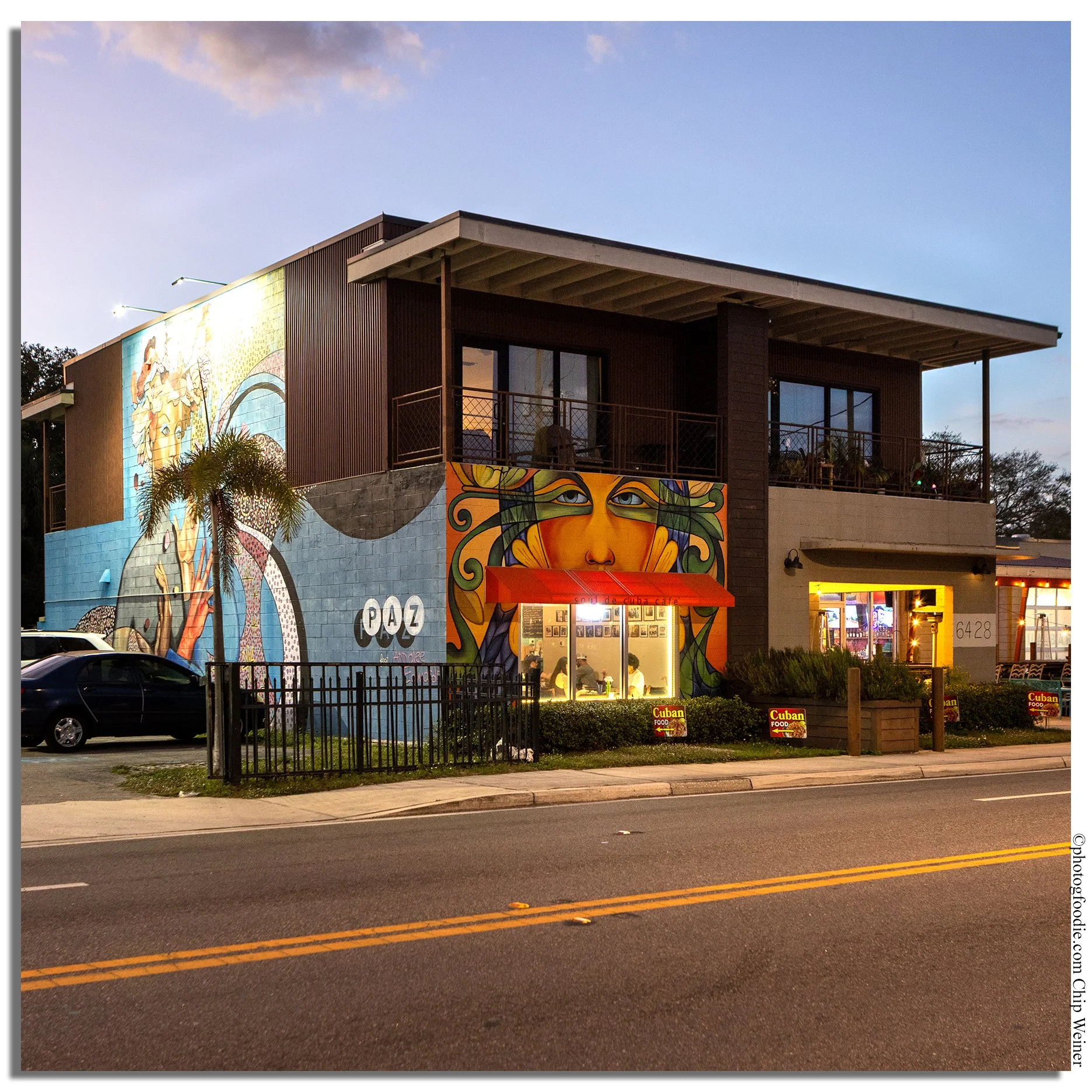
Soul de Cuba is located at 6428 N Florida Ave
Soul de Cuba is at 6428 N Florida Ave. Restaurateur Jesus Puerto prepares Cuban dishes made with 100-year-old family recipes. The spot has been open for a couple of years and, as the name implies, focuses primarily on customary Cuban food. They have a full-service bar with a very small selection of spirits. Soul is open every day except Monday. Happy hour is from 4 – 7. They offer live Cuban music monthly on Saturday nights.
Esposito's Italian Restaurant and Bar
Esposito’s Crab Enchilau ($33.75) is the most expensive offering on this list, but dinner comes with a beautiful 5-part salad and delicious buttery garlic rolls. This sauce is just right. Hunks of crab, bits of stewed tomato, flavored with a little pep, Bay leaf, and sprinkled with parmesan, make for a perfectly balanced, old-school Tampa bowl—rich without being heavy, crab-forward without being fussy, and just spicy enough to wake it all up.
In Italian households, crab chilau often landed on fettuccine, but I’m planting my flag here: it’s the wrong noodle. Al dente fettuccine has too much chew, too much presence. (I can hear my Italian foodie friends saying “You are dead to me”.) Chilau isn’t a sauce that wants to wrestle with pasta—it wants space. The tomato base is light, restrained, and built to showcase the crab rather than bury it. When the pasta flexes too much, the crab disappears. Spaghetti, thinner and more forgiving, gets out of the way and lets the dish do what it’s supposed to do. Overall, this is a good dish and ranks 2nd in my ratings.
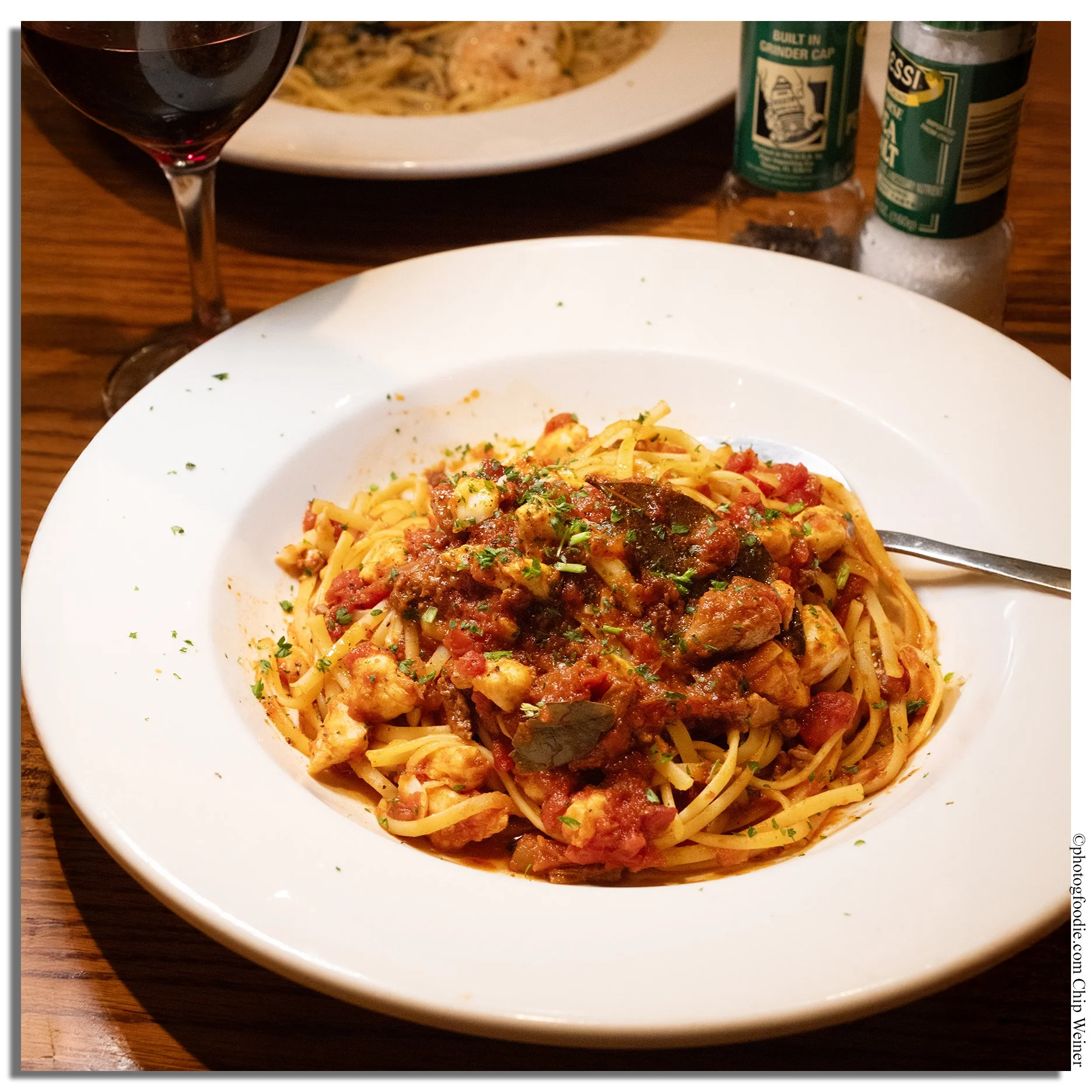
Esposito's Crab Enchilau- fresh linguine tossed with lump crabmeat in a slightly spicy marinara sauce

Chunks ot stewed tomatoes bring a tangy addition to this dish
Esposito's family style salad- lettuce, tomatoes, garbanzos, beets, comes with most entrees
Esposito’s has a short Italian-leaning wine list and a small craft cocktail offering from a well-stocked bar. No reservations are accepted for parties under 6, but there was no wait on our visit. It is a family-owned local favorite with a snappy, attentive staff serving the tables; there’s plenty of free parking, a well-rounded Italian menu, and decent prices. It is open every day, and busiest on the weekends.
Iavarone's Steakhouse & Italian Grill
Iavarone’s Crab Enchilado ($28) (The same dish is also served at Carmine’s in Ybor City, Fridays, Saturdays, and Sundays). Think blue crab simmered in spicy marinara and served over linguine, paired with a house or Caesar salad. On paper, it checks the right boxes. In the bowl, chunky blue crab sits atop pasta coated in a thin, sweet red sauce that finishes with a mild kick. But for a dish built around crab, it doesn’t taste especially crabby, like the offering at Soul de Cuba. The sauce is traditional and restrained—almost too polite—and when a sauce is this thin, it has to work harder. This one doesn’t. It lacks the depth and intensity needed to carry the crab to the finish. There’s no bread served alongside the dish, though ciabatta with a luscious EVOO dip appears earlier in the meal. Still, Iavarone’s earns an honorable mention. It’s a respectable attempt, and more importantly, it stays on the menu. That counts for something. In a city quick to chase trends, keeping a nostalgic dish alive helps preserve a little piece of Tampa’s food history. Try it.
Iavarone's Crab Enchilau is served over linguine
Iavarone's Crab Enchilau has large chunks of blue crab
Iavarone’s offers plenty of free parking and plenty of seating in both the dining room and the separate bar. They are open every day but Sunday.
Others
According to Jeff Houck, vice president of marketing for the Columbia Restaurant Group, occasionally Casa Santo Stefano in Ybor City offers the dish. It’s a perfect match since Casa is located in the former Ferlita macaroni factory building on 22nd Street, where part of this dish began. He was unsure of when it might be offered again. Keep your eyes open and report back if you snag a bowl!
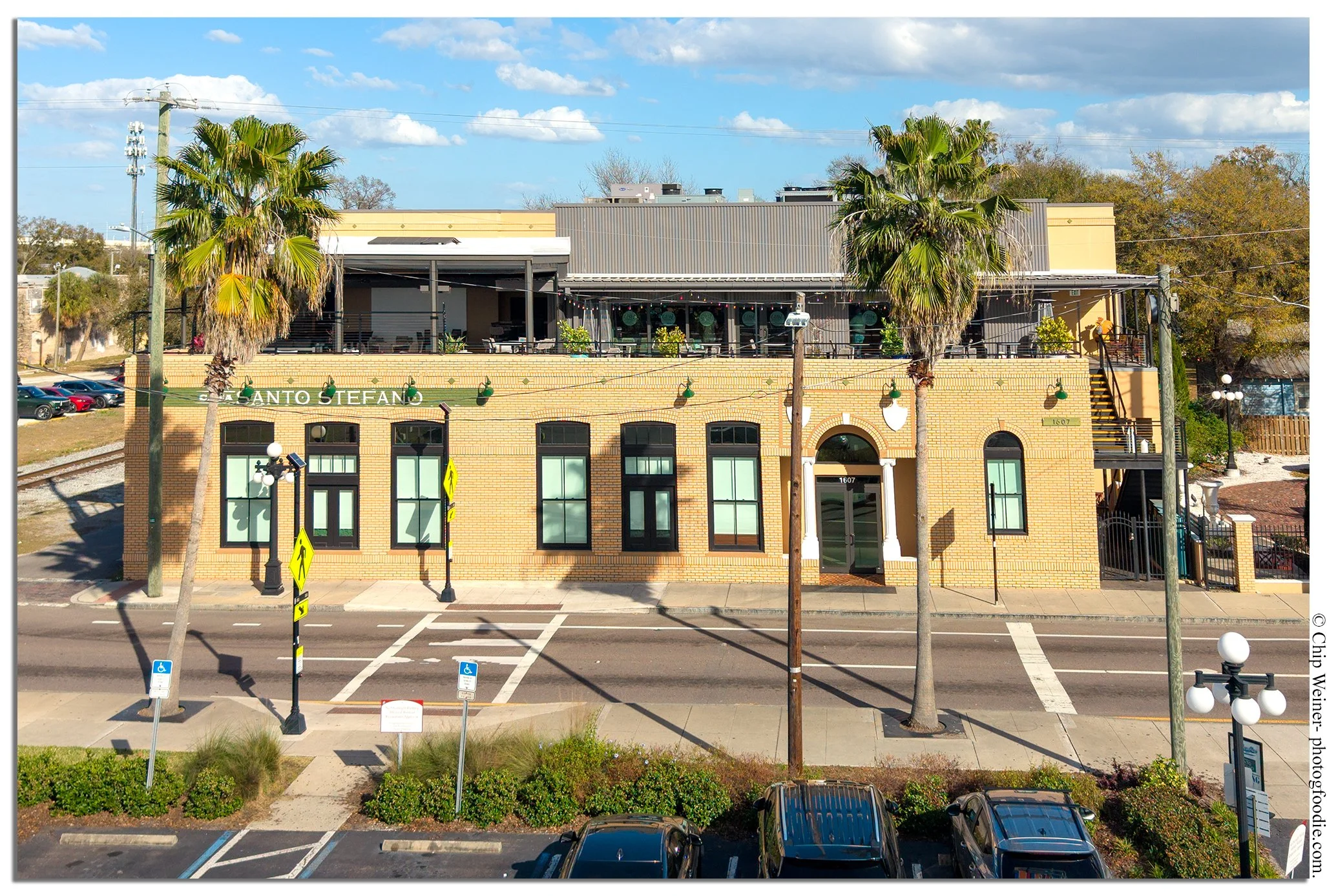
Casa Santo Stefano on 22nd St in Ybor City in the former Ferlita Macaroni Factory building.
If you’re longing to try it or having a historical moment and don’t want to venture out, the Internet is full of delicious-sounding recipes. Blue crab is available fresh at area seafood stores (but ya gotta clean it). It is also available, already cooked, in the refrigerated section of some stores and in cans.
If you know of others, or you go and sample some of these historic dishes, leave your thoughts in the comments below!